The Glazes of Burley Winter Pottery
Feb 13, 2018
The Burley Winter Pottery produced a large inventory of utilitarian wares for decades around the turn of the century. The glazes used were usually simple salt glazes and are not really considered artware. However, in 1932, Stoin M. Stoin was hired and began designing the first art pottery for the Burley Winter Company. Stoin had already produced some popular glazes or the Niloak Pottery Company. This line of pottery he created was known as the "Blended Art" line of decorative vases. These vases were glazed in two colors: a base color and an over-color. The known glaze colors were cream, rose, blue, green, purple, and orange.
Although these colors would allow twenty-four different combinations, there were less than a dozen used. On very rare occasions a piece with a single solid glaze color was created, but these are considered as oddities and not intended for mass sales.
The glazes are universally matte, with no known examples of a high gloss glaze utilized. Additionally, the texture of the vases is rough and raised where the over-glaze is applied. There are no known examples of the blended ware that were artist decorated or signed such as those found in Newcomb Pottery.
Since the number of shapes available are limited, some collectors enjoy locating particular vase shapes in every glaze combination they can. This can be quite challenging; however, it can also lead to remarkable displays.
Below are some examples of the typical Burley Winter glazes often found in auctions or antique stores.
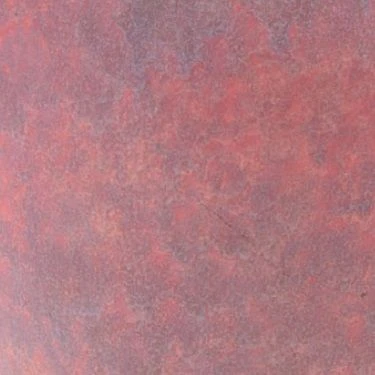 Matte blue over rose glaze
 Matte blue over cream glaze
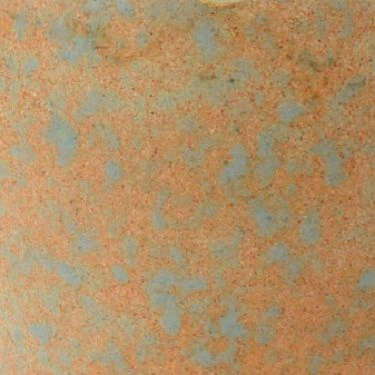 Matte green over orange glaze
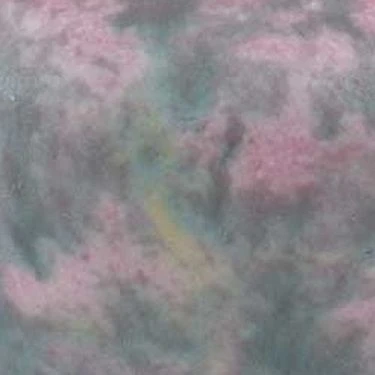 Matte green over purple glaze
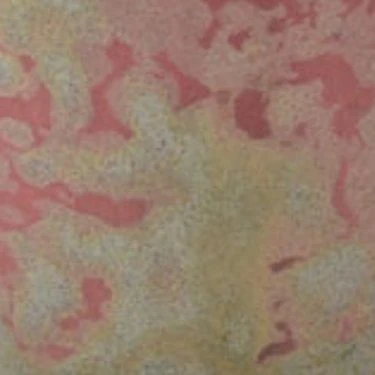 Matte green over rose
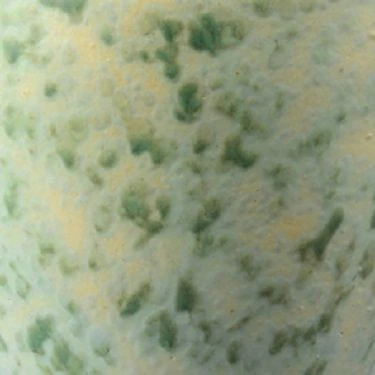 Matte green over cream glaze